A board that brings us together
Familiar school spaces become the setting for an adventure. The board and pieces make the group's journey visible and give each child a place in the experience.
 Small Gestures
Around a board, closer to one another
Some conversations begin more easily through play. Pequenos Gestos brings together a board game and a digital companion to explore empathy, inclusion and being part of a group.
Discover the projectAges 4–12 · With an adult alongside
The best of both worlds
Children come together at the table. Technology helps start the conversation. They listen, share ideas and look for a response together to situations they might encounter in everyday life.
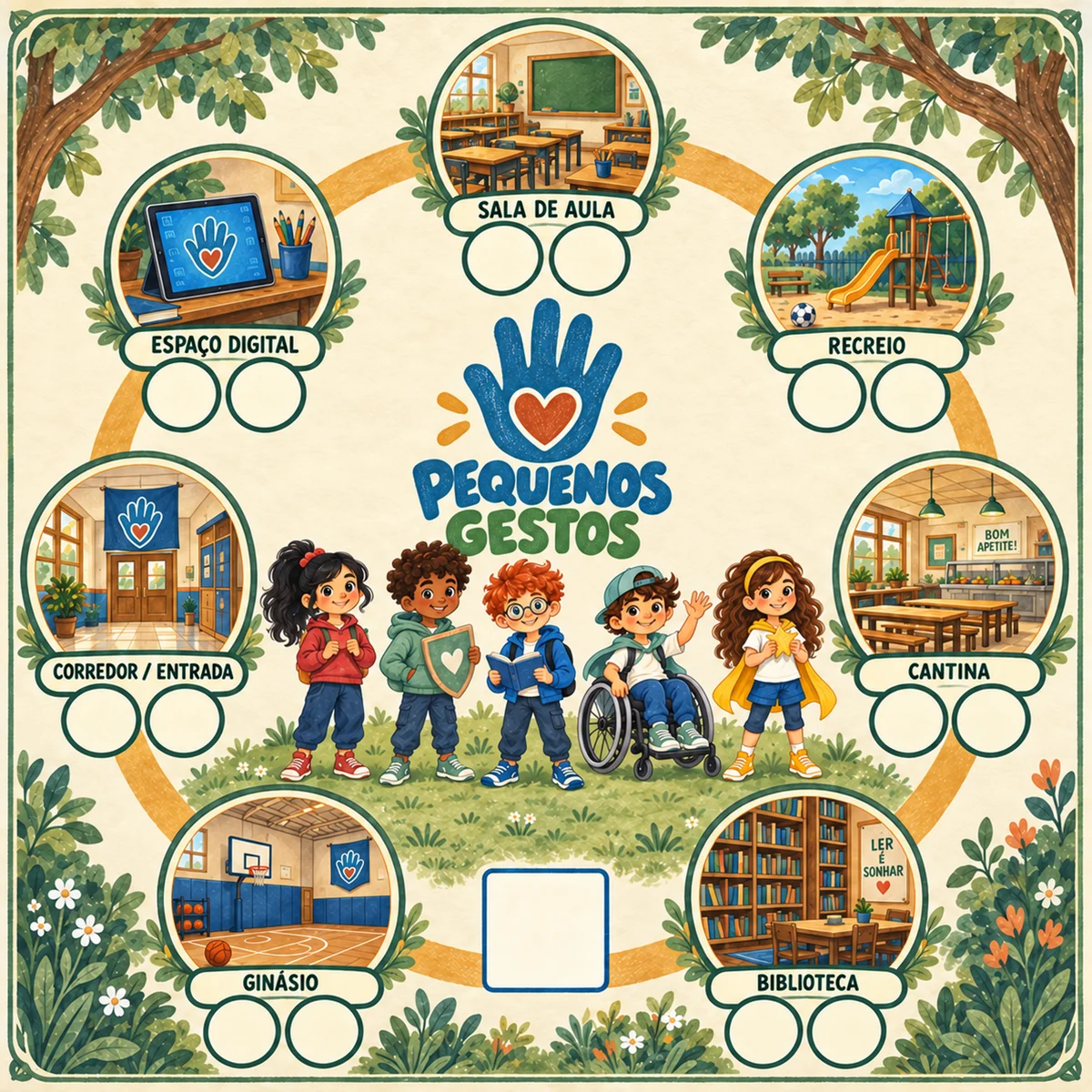
Familiar school spaces become the setting for an adventure. The board and pieces make the group's journey visible and give each child a place in the experience.
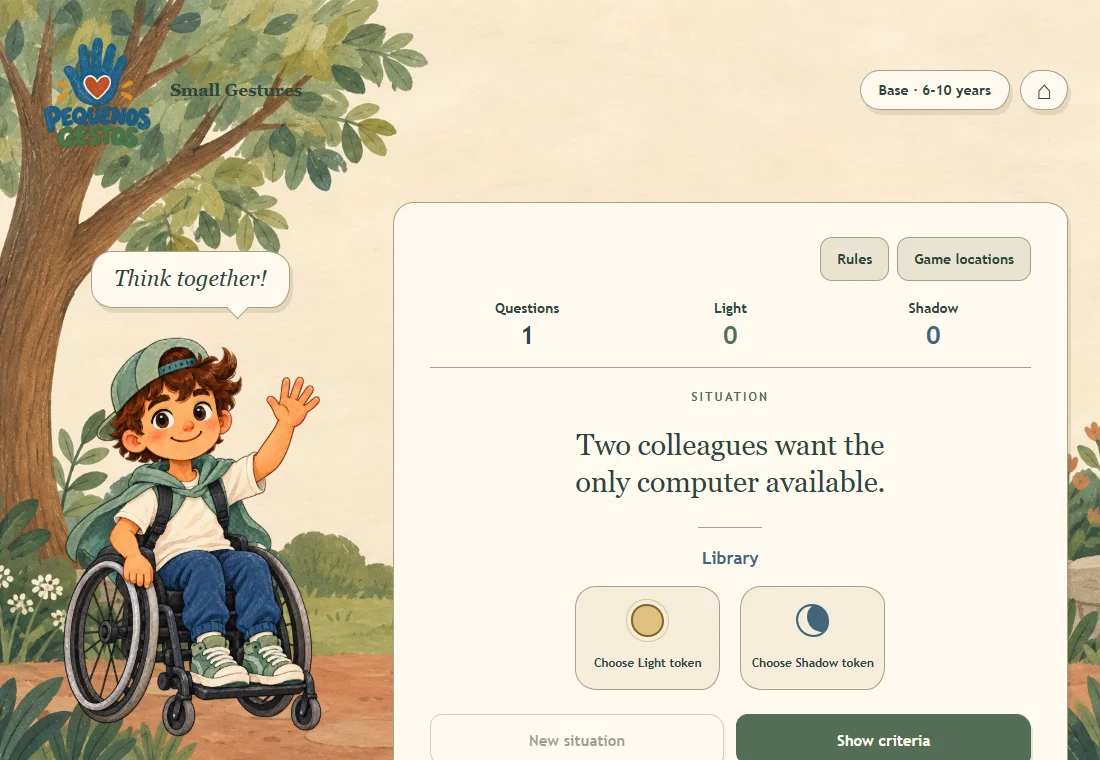
On a computer, tablet or phone, the app presents situations and supports the adult in guiding the conversation. The screen is a starting point for children to connect.
Small gestures to put into practice
The game offers opportunities to practise these skills. Each conversation can take a different path, at the group's own pace.
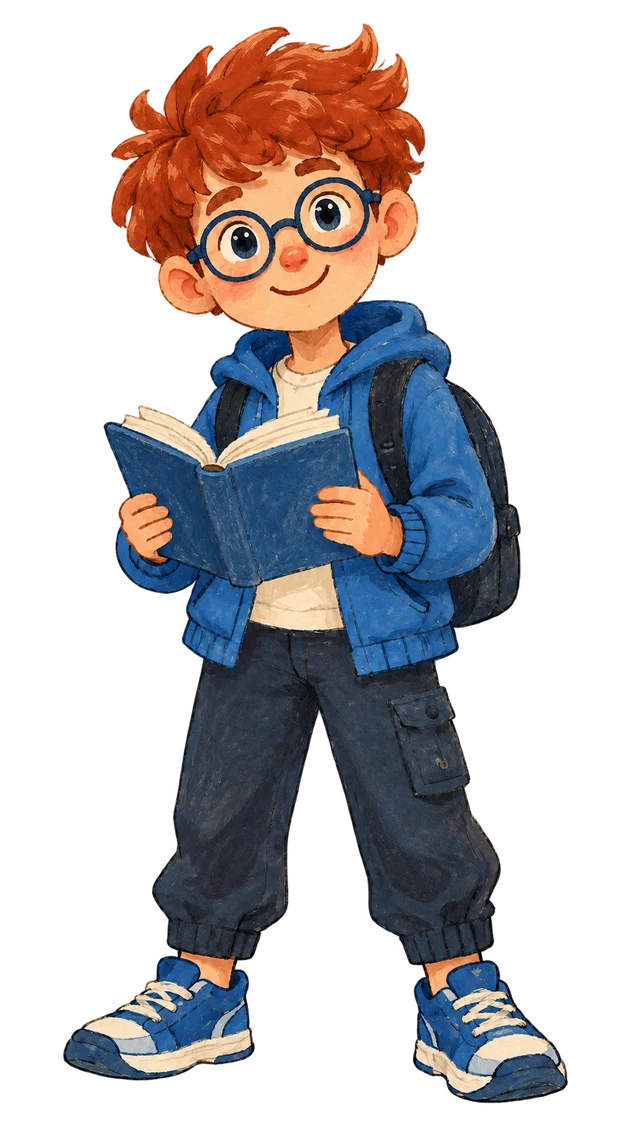
Listening to an idea all the way through, waiting for a turn and discovering more than one perspective.
Recognising emotions and considering what someone might need, without asking them to share personal experiences.
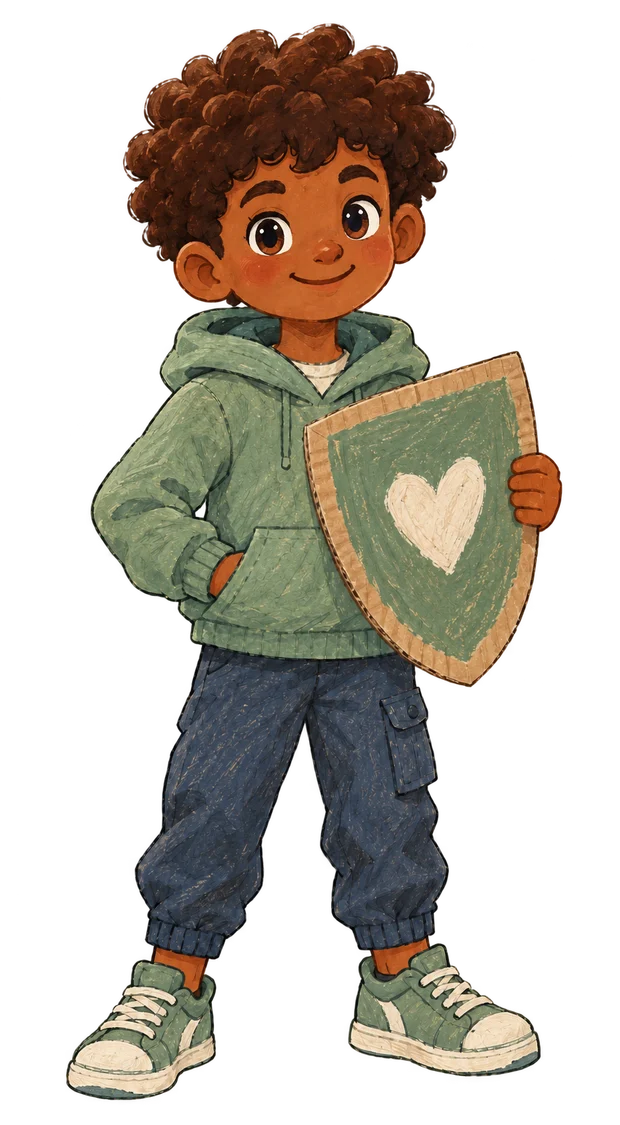
Finding solutions together, respecting differences and including others without pressure.
Thinking of safe responses and recognising situations that call for support from a trusted adult.
One situation. Many ways to care.
Sofia was left alone while the others played.
How might she feel? What could we do?
A short story starts an important conversation. The group can listen to other ideas, imagine how to approach someone and find a gesture that makes a difference.
As children grow, conversations change
Ages are a guide. The adult chooses a mode based on the group's maturity, needs and familiarity with the game.
Ages 4–5
First conversations about emotions and small acts of kindness, with close adult support and simple situations.
Ages 6–10
Time to listen, share perspectives and find solutions together, without time pressure.
Ages 8–12
For groups already familiar with the game, with more complex situations and a time-limited format.
Alongside educators

The adult guides, asks questions and helps children make sense of their ideas. Children can talk about the characters; they do not need to share personal experiences.
Shall we bring this conversation to your school?
Tell us a little about your school and your group. Let's discuss how to bring the project to you.